Contact
Jim Now
Contact
Jim Now

As I read Reid Hastings’ letter to customers, in what appeared to be an apology for the price increase mess, my expectations were met immediately with disappointment, then disbelief.
The PR profession suffers from schizophrenia. On the one hand, PR people want to be at the table making decisions and guiding strategy with the boss in good times and bad. On the other hand, many want to serve as the guiding conscience of their organizations.
Whenever a business interest, product, or person is suddenly forced into the limelight, a predictable set of counter-intuitive effects occurs. These effects can be prepared for, often pre-empted or mitigated.

Most responses in crisis situations fail in the first hour or two. That’s because the most challenging aspect of readiness for urgent situations is the strategy for first response; literally, what you do first, second, third, etc.
Mr. Murdoch is learning the most crucial axiom of crisis management: Bad news ripens badly.
Mr. Murdoch, whose worldwide media empires were, we now know for certain, really in the business of fabricating and staging the news stories they reported.
In crisis, silence comes in many colors and in two varieties: intentional and cultural. All strategies of silence have the same outcome: toxic shock to the perpetrator. Silence strategies are ethical impediments to finding the truth.
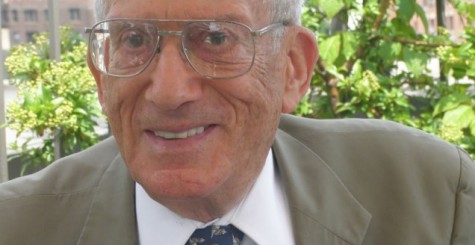
From Chet’s first little note to me in 1975, complementing something I’d said that was quoted in a PRSA publication, to our last conversation in December of 2010, the power of his friendship, the insight of his thinking, and the profoundly pragmatic advice he so freely offered have guided my career and much of my personal life.
With more and more PR people becoming lawyers and working for law firms there seems to be a growing push for having outside spokespersons, especially attorneys when crisis situations occur.

Minneapolis radio station KDWB is the latest organization to feel the sting and power of victims angered by an inadequate apology. The radio station’s pain comes from loosing advertisers because the station still refuses to take adequate responsibility for its gaffe of broadcasting a parody of Hmong.
 Sign Up For My Free Monthly Newsletter