Contact
Jim Now
Contact
Jim Now

Wells Fargo took another meaningless step to avoiding their clear responsibility to clean up the mess they created, involving hundreds of thousands (perhaps even more now) of their customers. They separated the chairman and CEO posts, a gesture which is simply beyond understanding. It reflects again, their misguided focus on fixing operations without paying the price of fraud, deceit and despicable behavior toward their customers.

Tim Sloan, the former president and chief operating officer of Wells Fargo, now the new CEO and member of the bank’s board of directors, assures us that the cover-up continues. “You should expect more tough headlines, as additional accountability actions occur and other investigations and reviews are completed,” he said. But efforts to actually remedy the thousands, perhaps millions, of customer-facing problems Wells Fargo has caused, and is likely still causing, are stalled. Many may never really be resolved.
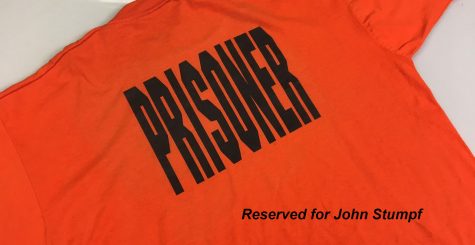
If you’re a Wells Fargo customer, employee or shareholder, this headline has to be THE question on your mind. . . Given Mr. Stumpf’s recent testimony before the Senate, it may be the only question for him. What we know for sure is that the massive Wells Fargo fraud/cover-up will continue.
When trouble comes, trust in leadership is often the first casualty. I define trust as the absence of fear, because when trust is severely damaged or gone, it is replaced by uncertainty and doubt. Sustaining trust requires the systematic participation and example through communication and behavior by leadership. Even in the most adverse circumstances, we expect leaders to be trustworthy and act ethically. We are disappointed when they fail.
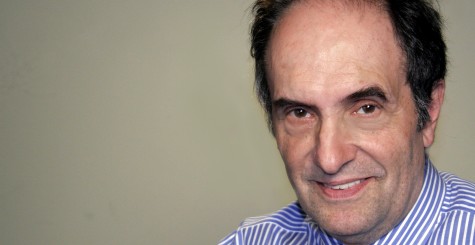
Please welcome Emmanuel Tchividjian, ethics officer for New York City firm Ruder Finn. I have known Emmanuel for the better part of two-decades. Over the years we have written things together, done various programs together, staged ethics events together. I think you’ll find him one of the most settled and pragmatic people you will ever meet. I’ve learned so much from him over the years.

Leaders must implicitly and explicitly recognize the ethical expectations by everyone inside their organization. Focus groups, polls and interviews reveal a general list of ethical expectations similar to the one listed here.

A friend of mine recently told me he was planning to write a book on global public relations crises. He suggested I write a chapter. So that I could understand what he was talking about, I asked him to name a truly global PR crisis.
Remember the bizarre scene in the movie Patch Adams when Robin Williams, playing a medical student, looks through his medical school record for the reasons he’s being expelled and discovers that one of the complaints against him is “excessive happiness”?
The public relations profession continuously suffers from schizophrenia. On one hand, we want to be at the table making decisions and guiding strategy with the boss in good times and bad. On the other hand, many of us want to serve as the guiding conscience of our organizations.
Liars always know. In more than 40 years of working with organizations, institutions, senior people, businesses, agencies and the news media through an extraordinarily broad spectrum of problems and serious circumstances, I have yet to meet anyone who accidentally lied.
 Sign Up For My Free Monthly Newsletter